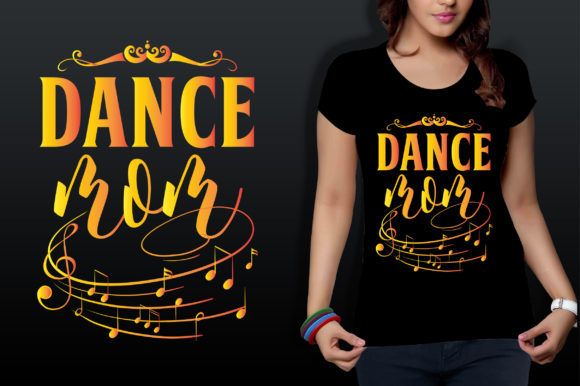
Dance Mom- T Shirt: A Designer’s Real-World Review
As an embroidery designer who has spent years translating digital concepts into stitched reality, I approach every new machine embroidery design with a critical eye. It is not enough for a graphic to look good on a screen; it must survive the needle, the hoop, and the wash cycle. Recently, I evaluated the Dance Mom- T Shirt asset to determine its viability for real-world production. This is not just a review of a pretty picture, but a practical assessment of how this specific Graphics package performs when applied to tangible goods.
First Impressions and Visual Personality
The initial mood of the Dance Mom- T Shirt design is energetic and proud. It captures the specific niche culture of competitive dance families, which is a lucrative market for Etsy sellers and boutique owners. The layout appears balanced, avoiding the common pitfall of overly dense centers that cause fabric puckering. When I first opened the files, I was looking for clean lines and logical color breaks. For a design intended for T-Shirt Designs, clarity is paramount. The visual personality suggests it belongs on items that are worn with pride, such as team warm-ups or casual weekend wear.
What stands out immediately is the versatility implied by the file types. The inclusion of vector formats like SVG, EPS, and Ai alongside raster images like PNG and JPEG means this is a hybrid asset. While my primary focus is embroidery, having these formats allows for cohesive branding across different mediums, from heat transfers to printed packaging.
Real-World Application Scenarios
To truly test the value of this digital embroidery file, I imagined several production scenarios. The most obvious application is custom apparel. Picture a high-quality cotton sweatshirt embroidered with this design for a local dance studio’s recital. The theme fits perfectly here, offering a sense of belonging and identity. However, I also considered its use on a canvas tote bag design. A sturdy tote with this motif could serve as a functional gear bag for costumes and shoes, adding significant perceived value to a handmade product.
Another viable avenue is the embroidered patch market. Patches are trending, and this design’s bold elements would translate well to a twill background. For small shop product lines, creating a series of patches allows customers to customize their own jackets or bags, increasing engagement. I also envisioned this as part of a personalized gift set, perhaps paired with a monogram on a baby onesie for the younger siblings of dancers. This expands the target audience beyond just the mothers to the entire family unit.
Technical Considerations for Stitching
When moving from concept to execution, technical details matter. Since the product description specifies a DIGITAL DOWNLOAD ONLY containing SVG, PNG, EPS, DXF, JPEG, and Ai files, it is crucial to note that these are primarily cut files for machines like Cricut, not native embroidery formats like PES or DST. As a designer, I would need to convert these vectors into an embroidery file using software like Wilcom or Hatch. This conversion step is where the magic—and the potential problems—occur.
During the digitizing process, I would pay close attention to stitch density. If the original graphic has large solid areas, I would break them up with pattern fills to prevent stiffness. For text elements, a satin stitch might be appropriate if the letters are wide enough, but for smaller details, a running stitch or small fill is safer to avoid thread breaks. The hoop size will dictate the scale. A 4x4 hoop might be too restrictive for the full design, so a 5x7 or larger hoop would be preferable to maintain proportion without cramming the stitches.
Fabric choice is equally critical. On a smooth cotton t-shirt, the design will pop. However, on textured fabrics like fleece or terry cloth, fine details may get lost. I recommend testing the design on scrap fabric first. Check thread color contrast carefully; bright threads on dark fabrics require a proper underlay to prevent the background from showing through. Always use a suitable stabilizer—cut-away for stretchy knits and tear-away for stable wovens—to ensure the finished product lies flat.
Commercial Viability and Brand Consistency
For craft business owners, consistency is key to building trust. The Dance Mom- T Shirt design offers a professional look that can enhance brand perception. When used in commercial embroidery projects, it signals that the maker understands the customer’s passion. This emotional connection drives sales. Whether you are creating holiday embroidery gifts or year-round custom apparel, the design’s relevance ensures it remains desirable.
However, caution is needed regarding licensing. The product description does not explicitly state commercial usage rights for the converted embroidery files. Before selling finished product items or design assets derived from this download, you must confirm the license terms with the creator. Using unlicensed designs can lead to legal issues and damage your reputation as a professional Etsy seller.
Practical Designer Notes
- Test on Scrap: Never stitch directly on the final garment. Use similar fabric scraps to check tension and density.
- Check Contrast: View the design in black and white to ensure all elements are distinct and legible.
- Verify Hoop Size: Measure the design dimensions after digitizing to ensure it fits your machine’s maximum hoop capacity.
- Inspect Small Details: Tiny elements may need to be enlarged or removed to prevent thread bunching or breaks.
- Stabilizer Selection: Match the stabilizer to the fabric weight and stretch. Incorrect stabilization leads to puckering.
- Thread Quality: Use high-quality polyester or rayon threads for vibrant colors and durability in washed items.
Final Verdict
The Dance Mom- T Shirt package provides a solid foundation for creative entrepreneurs. While it requires the extra step of digitizing for embroidery machines, the vector formats offer flexibility for various applications. It is well-suited for sweatshirt embroidery, baby embroidery items, and accessories like patches and totes. By paying attention to stitch density, fabric texture, and proper stabilization, designers can transform this digital asset into a high-value handmade product. For those willing to put in the technical work, this design supports both personal creativity and commercial success in the competitive world of custom apparel.