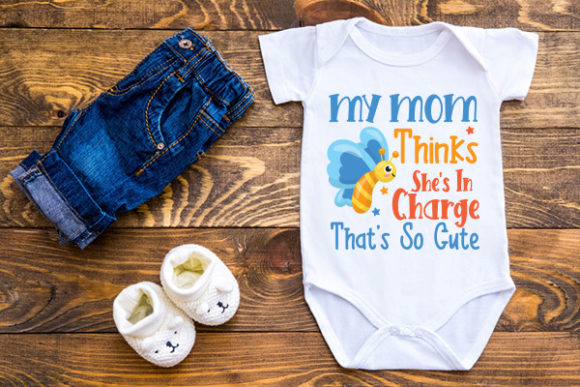
Reviewing Baby Onesies-My Mom Thinks She s in Char
As an embroidery designer who has spent countless hours digitizing and testing files for client projects, I have learned that not every cute graphic translates well to thread. When I first pulled up Baby Onesies-My Mom Thinks She s in Char, my initial reaction was one of cautious optimism. The phrase is undeniably charming, tapping into that playful family dynamic that sells so well in the baby niche. However, charm alone does not make a viable machine embroidery design. I needed to determine if this asset could withstand the physical realities of stitching on stretchy, delicate fabrics while maintaining the clarity required for a professional finished product.
First Impressions and Visual Personality
The mood of this design is lighthearted and affectionate. It captures a specific moment of humor that parents love to share. Visually, the layout appears balanced, which is crucial when working with limited space on infant garments. For those of us who create T-Shirt Designs or Graphics for print, the appeal is obvious. But for embroidery, we must look deeper. Does the text have enough weight? Are there tiny details that might get lost in the fabric grain? My assessment suggests that this design relies heavily on legibility. If the lettering is too thin, it will vanish on textured materials. If it is too dense, it will cause puckering on onesie cotton.
This is where the distinction between a digital image and an embroidery file becomes critical. A sublimation-ready PNG might look perfect on screen, but once you introduce needle penetrations and thread tension, the rules change. I appreciated that the concept behind Baby Onesies-My Mom Thinks She s in Char is simple enough to potentially avoid excessive stitch counts, which is a major plus for baby items where comfort is paramount.
Real-World Application: The Custom Gift Scenario
To truly evaluate this design, I imagined a real-life scenario. A customer approaches my small shop requesting a personalized gift for a new mother. They want something unique, not just another store-bought item. I consider using this design on a high-quality organic cotton onesie. The goal is to create a personalized gift that feels boutique-level.
In this context, the design needs to sit comfortably on the chest area without restricting movement. I would likely choose a soft polyester thread to reduce friction against sensitive skin. The humor of the phrase adds value, turning a basic garment into a conversation starter. For an Etsy seller or craft business owner, this type of emotional connection drives sales. It is not just about the stitch; it is about the story the handmade product tells. If I were producing this for a small shop product line, I would also consider applying it to a soft muslin swaddle blanket, provided the stabilizer choice was precise enough to prevent distortion.
Technical Considerations for Embroiderers
When integrating Baby Onesies-My Mom Thinks She s in Char into your workflow, there are several technical factors to address. First, consider the stitch density. Baby fabrics are often thin and stretchy. A heavy fill stitch background can cause the fabric to pucker or tear during washing. I recommend checking if the design uses primarily satin stitch for the lettering, as this provides a smooth, raised look that is durable yet flexible. Avoid designs with large solid blocks of stitching unless they are specifically optimized for knitwear.
Hoop size is another constraint. Most onesies require a small hoop, such as 4x4 inches. Ensure the design fits within this frame with adequate margin for stabilization. If the design includes intricate corners or tiny serifs, verify that your machine can handle them at that scale. Tiny details often merge together when stitched out on terry cloth or ribbed knits. I always advise running a test stitch on scrap fabric of the same type before committing to the final garment. This step saves time, thread, and reputation.
Stabilizer selection is non-negotiable. For stretchy baby knits, a cut-away stabilizer is usually best to provide long-term support, whereas a tear-away might leave the design unstable after repeated washes. Always match your thread colors to the fabric contrast. A light thread on a dark onesie may require an underlay stitch to prevent the fabric color from showing through, which adds bulk. Test your design in black and white mockups to check for contrast issues before threading the machine.
Versatility Beyond Onesies
While the title specifies onesies, the versatility of this quote allows for broader application in custom apparel. Imagine this design embroidered on a toddler’s sweatshirt or a parent’s matching tee. It works well for sweatshirt embroidery where the fabric is thicker and can support slightly denser stitching. It could also be adapted for a tote bag design, perhaps as part of a diaper bag set. For commercial embroidery projects, consistency is key. If you are selling this as part of a collection, ensure the scaling remains consistent across different product types.
For those creating digital embroidery file bundles, this design fits well into themes like "Family Humor" or "New Parent Gifts." It complements other design assets that focus on relational quotes. However, remember that what works for print-on-demand vinyl may need adjustment for embroidery. Vinyl cuts cleanly; thread builds up. Always review the embroidery project requirements separately from print specifications.
Practical Designer Notes and Final Verdict
Before adding Baby Onesies-My Mom Thinks She s in Char to your commercial lineup, take these practical steps:
- Check Licensing: Confirm whether the file allows for commercial use. Just because a design is labeled for print does not automatically grant rights for selling stitched goods. Verify the terms with the creator.
- Test on Scrap Fabric: Never skip this step. Use the exact fabric weight and type you intend to sell.
- Inspect Small Details: Zoom in on the digitized file. Look for jump stitches that might be unnecessary or areas where thread breaks could occur.
- Consider Fabric Texture: On fluffy fabrics like minky, the text might get lost. Consider adding a backing patch or using a heavier thread weight for visibility.
- Evaluate Washability: Baby items are washed frequently. Ensure the design holds up after multiple cycles without fraying or losing shape.
In conclusion, Baby Onesies-My Mom Thinks She s in Char offers strong potential for holiday embroidery gifts and everyday baby embroidery projects. Its success lies in the execution. By paying attention to stabilizer choice, stitch density, and fabric compatibility, you can transform this graphic into a high-value embroidered patch or direct-stitched feature. For creative entrepreneurs and makers, this design represents the kind of relatable content that resonates with buyers. Just remember that in embroidery, the devil is in the details. Treat this design with the technical respect it deserves, and it will serve your craft business well.